
City of peace
At 11:02 a.m. on August 9, 1945, a plutonium-type atomic bomb detonated at an altitude of 500 meters over the Urakami district of Nagasaki City.
The city suffered catastrophic damage, and 70,000 lives were lost in an instant.
The 2025 marked the 80th anniversary of the atomic bombing. Immediately after the bomb was dropped, it was said that “no grass would grow there for 50 years,” but in just about 30 years, Nagasaki established itself as a tourist destination, a status it maintains to this day.
Because of its tragic history, Nagasaki is imbued with a deep commitment to peace today.
While many visitors from overseas come to the Nagasaki Atomic Bomb Museum, the exhibits include harrowing accounts that make one want to look away. The museum teaches us that if people truly internalize the lesson that choosing war—a wrong path—can lead to such tragedy, perhaps conflicts around the world will diminish.
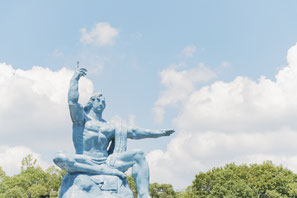
PeacePark
On the hill next to the hypocenter of the atomic bomb, there stands the Peace Memorial Statue, a symbol of peace in Nagasaki.
It serves as a symbol of hope for the abolition of nuclear weapons and lasting world peace.
The right hand symbolizes “the threat of the atomic bomb,”
The left hand symbolizes “peace,” and the closed eyes symbolize “prayer for the repose of the victims' souls.”
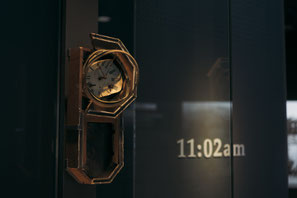
Museum of the Atomic Bombing of Nagasaki
The Atomic Bomb Clock, marking 11:02 a.m. on August 9, 1945, when the atomic bomb was dropped.
Three days after the “uranium-type” atomic bomb was dropped on Hiroshima, a “plutonium-type” atomic bomb was dropped on Nagasaki.
According to one estimate, its destructive power is said to have been about 1.4 times that of a uranium bomb.
As a result, a wall with the shadow of the victim is burned into it. And photos of hopeless young children after the atomic bombing, The devastation of that time is diplayed over time.
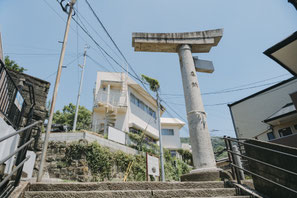
Single-pillar torii
This torii gate is located on the way to Sannō Shrine in Urakami.
Located about 700 to 800 meters from the hypocenter, one side of the building was blown away by the blast, and it remains in this condition to this day.
This shrine is also home to a camphor tree known as the “Atomic Bomb Camphor Tree,” whose trunk was charred and withered by the blast and heat rays.
But believe it or not, it sprouted new shoots just two months after being exposed to radiation, recovered, and has thrived ever since.
Today, it has become a symbol of reconstruction.