
A Pilgrimage to the Churches of Nagasaki
There are currently 133 Catholic churches in Nagasaki. Based on the population of 100,000, this works out to 10.64 people per church, making it one of the highest concentrations of Catholic churches in the country.
A look back at history reveals tragic events from various eras, such as the “martyrdom on Nishizaka Hill” and the “executions at Unzen Jigoku.”
Throughout the prefecture, there are sacred sites associated with this history. These are not limited to Catholic churches; they can be found quietly tucked away in Nagasaki’s general temples and in ordinary places that are often overlooked.
Many international visitors come to Nagasaki to take part in these pilgrimage tours that visit various sites throughout the city.
Please feel free to contact us if you are considering a pilgrimage to these sacred sites in Nagasaki.
Churches throughout Nagasaki Prefecture (partial list)
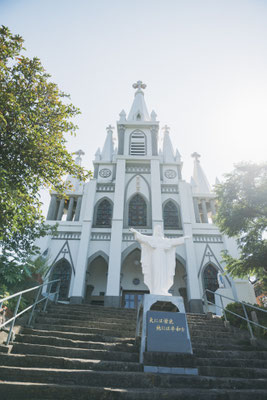
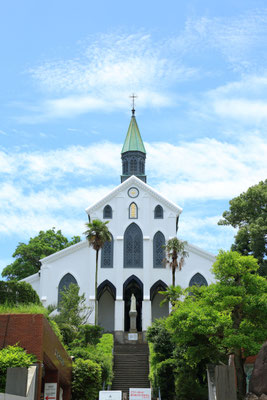

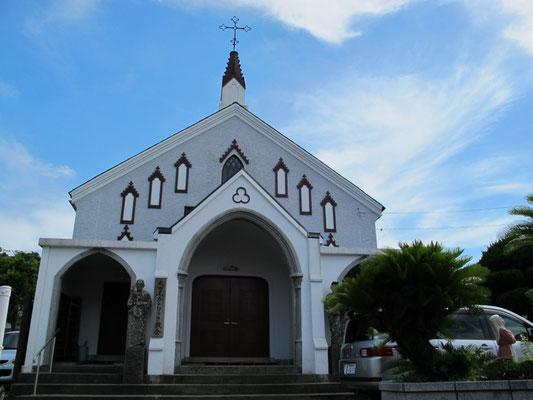
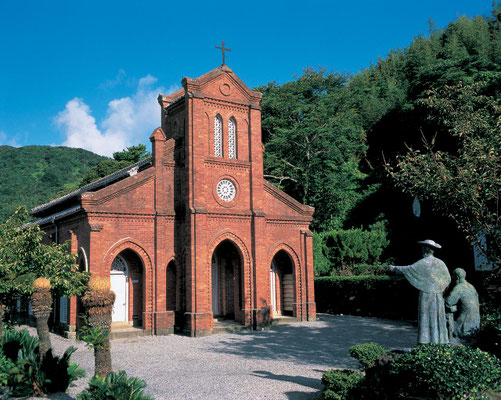

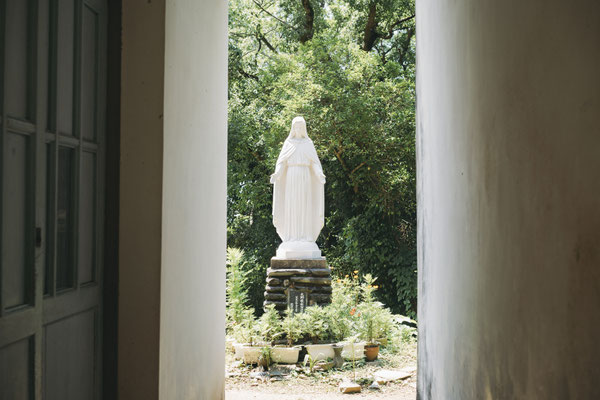
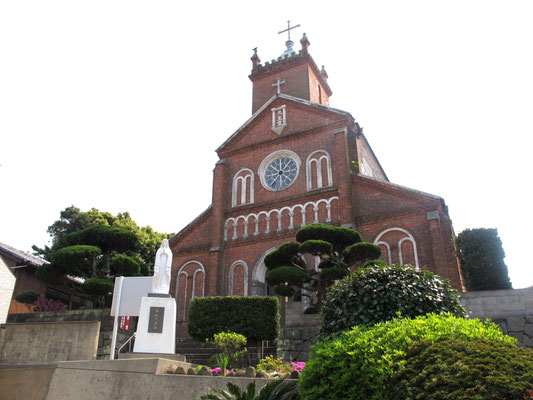
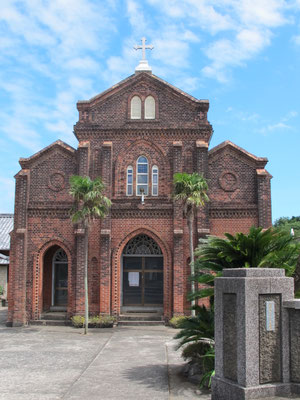
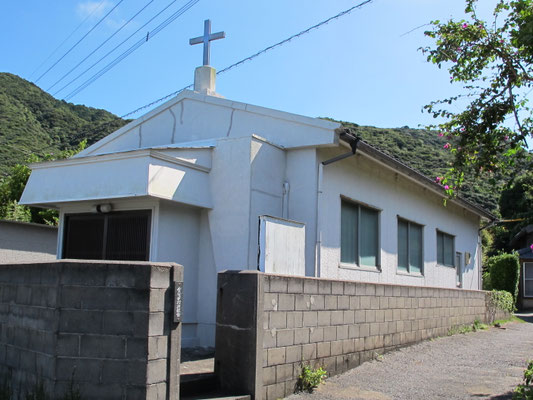
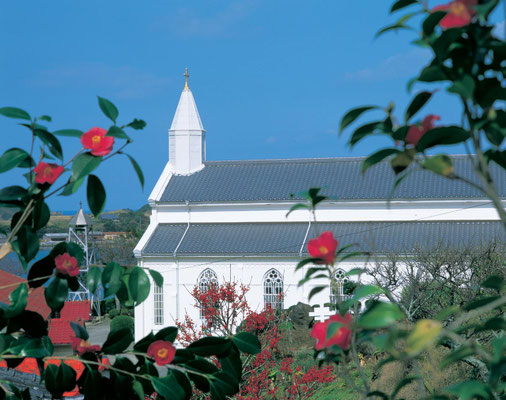
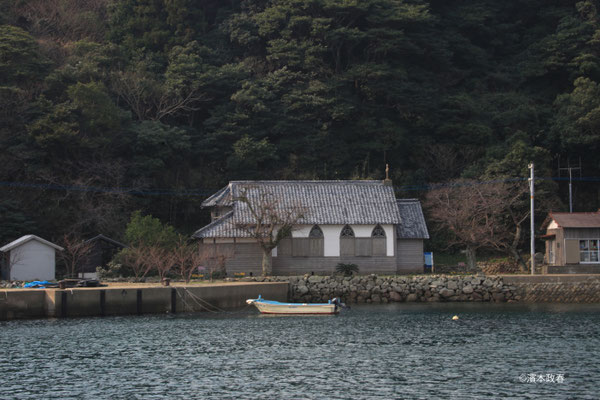
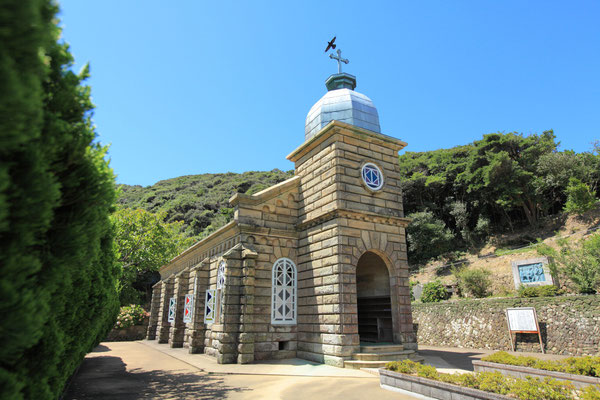

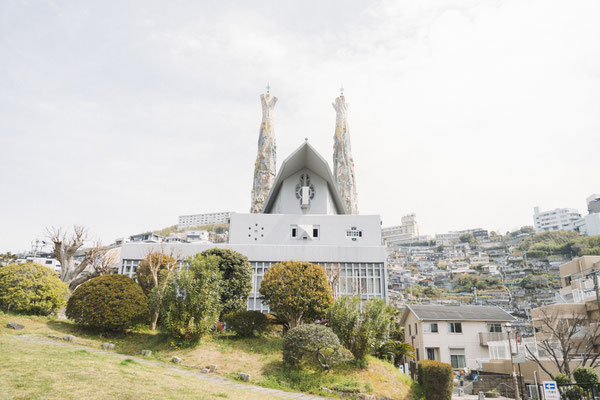
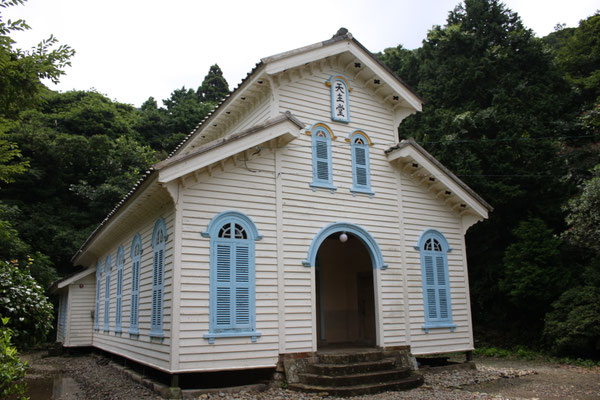

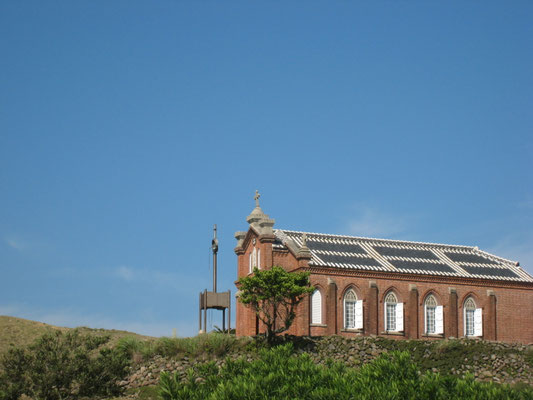
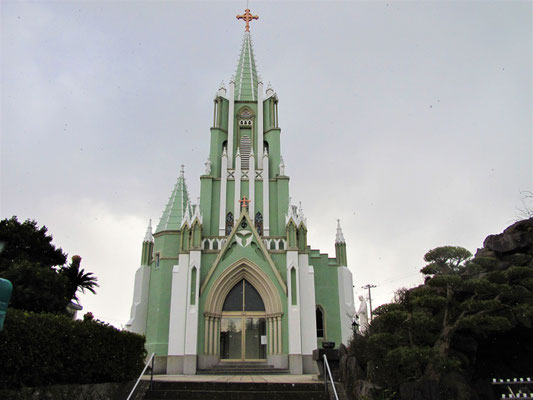
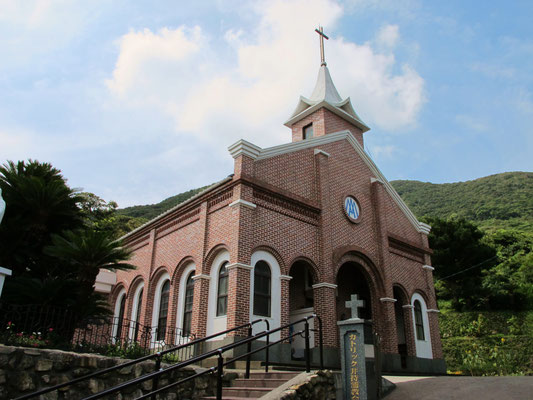
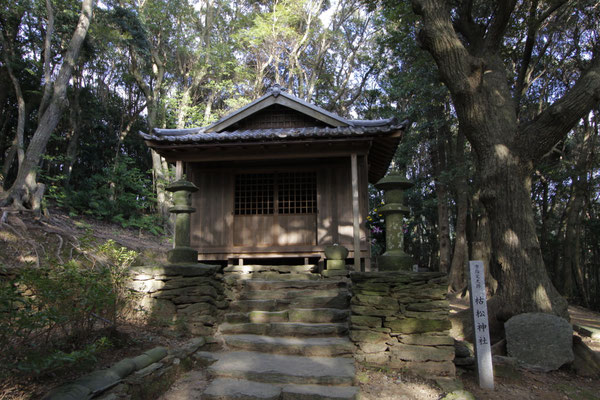

※For the hidden Christians, the aforementioned shrine (Karematsu Shrine) and the Rock of Prayer were regarded as sacred sites on par with a church itself.
Major missionaries with deep ties to Nagasaki
Father Bernard Petitjean
A French priest of the Paris Foreign Missions Society.
He played a pivotal role in key events in the history of Christianity in Japan, including his dramatic encounter with hidden Christians at the Oura Cathedral—a National Treasure—in 1865. He passed away in 1884 at the young age of 55, and in accordance with his wishes, his remains were interred within the Oura Cathedral.
Father Maximilian Kolbe
A Franciscan priest from Poland.
He visited Nagasaki during his missionary work and founded the Convent of the Knights of the Blessed Virgin Mary. After returning to Poland in 1936, he died a martyr’s death at Auschwitz concentration camp after taking the place of another prisoner, and was later canonized.
Father Marco Marie de Ro
A French priest of the Paris Foreign Missions Society.
After being assigned to the Sotome district in 1879, he devoted his personal fortune to social welfare efforts on behalf of the impoverished people of the region. He never returned to his homeland of France, and now rests in Sotome, marked by a magnificent tombstone. To this day, he is fondly remembered locally as “Father.”